
Experience · Nalanda district, Bihar, India (about 90 km from Patna)
Nalanda MahaviharaA place with a story.
The ruined Gupta-era university where Xuanzang studied for two years, sacked around 1200 CE — and still debated by historians as to how, and how completely.
A closer lookYour next chapter
Experience · Nalanda district, Bihar, India (about 90 km from Patna)
Explore the details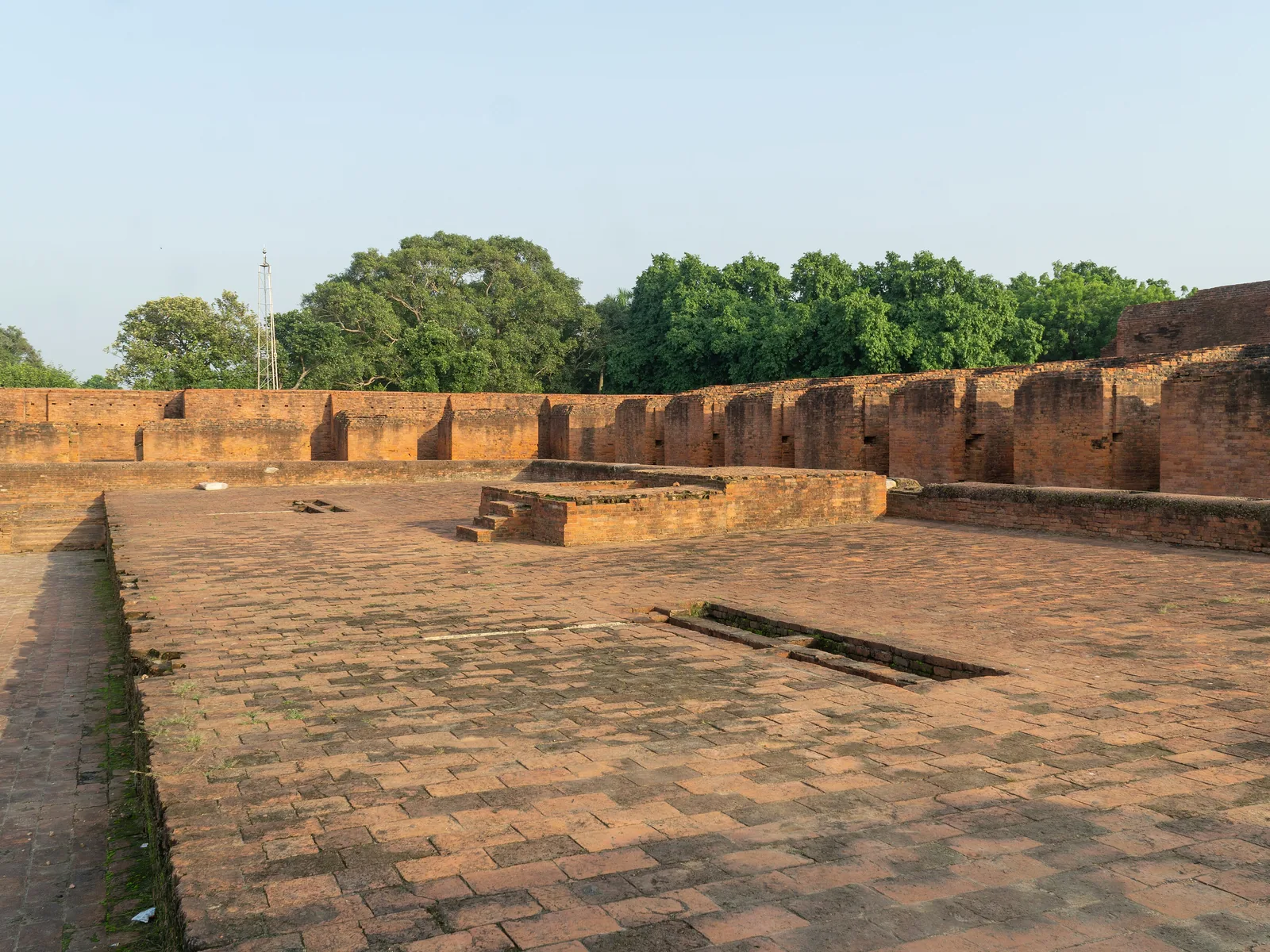
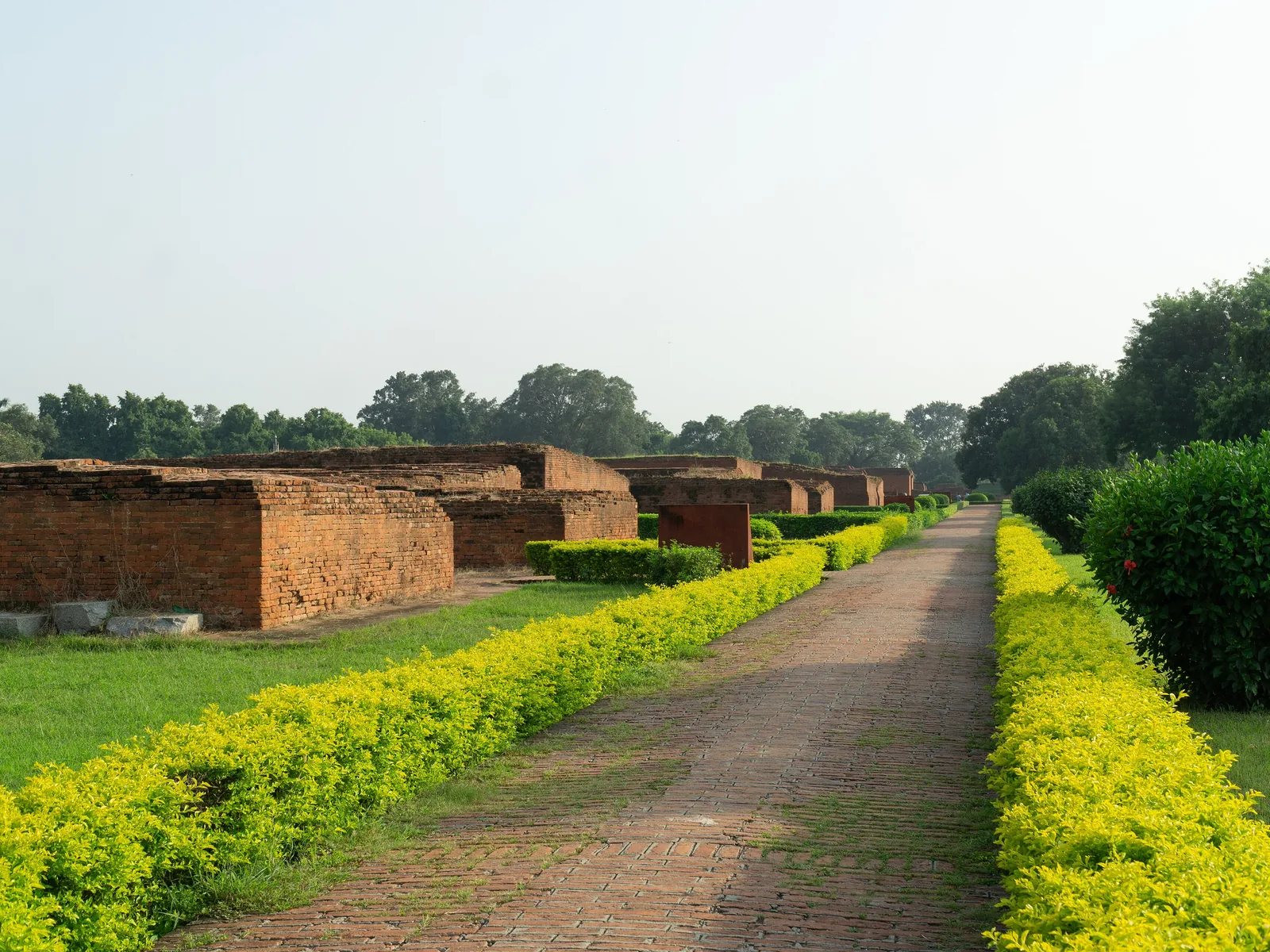
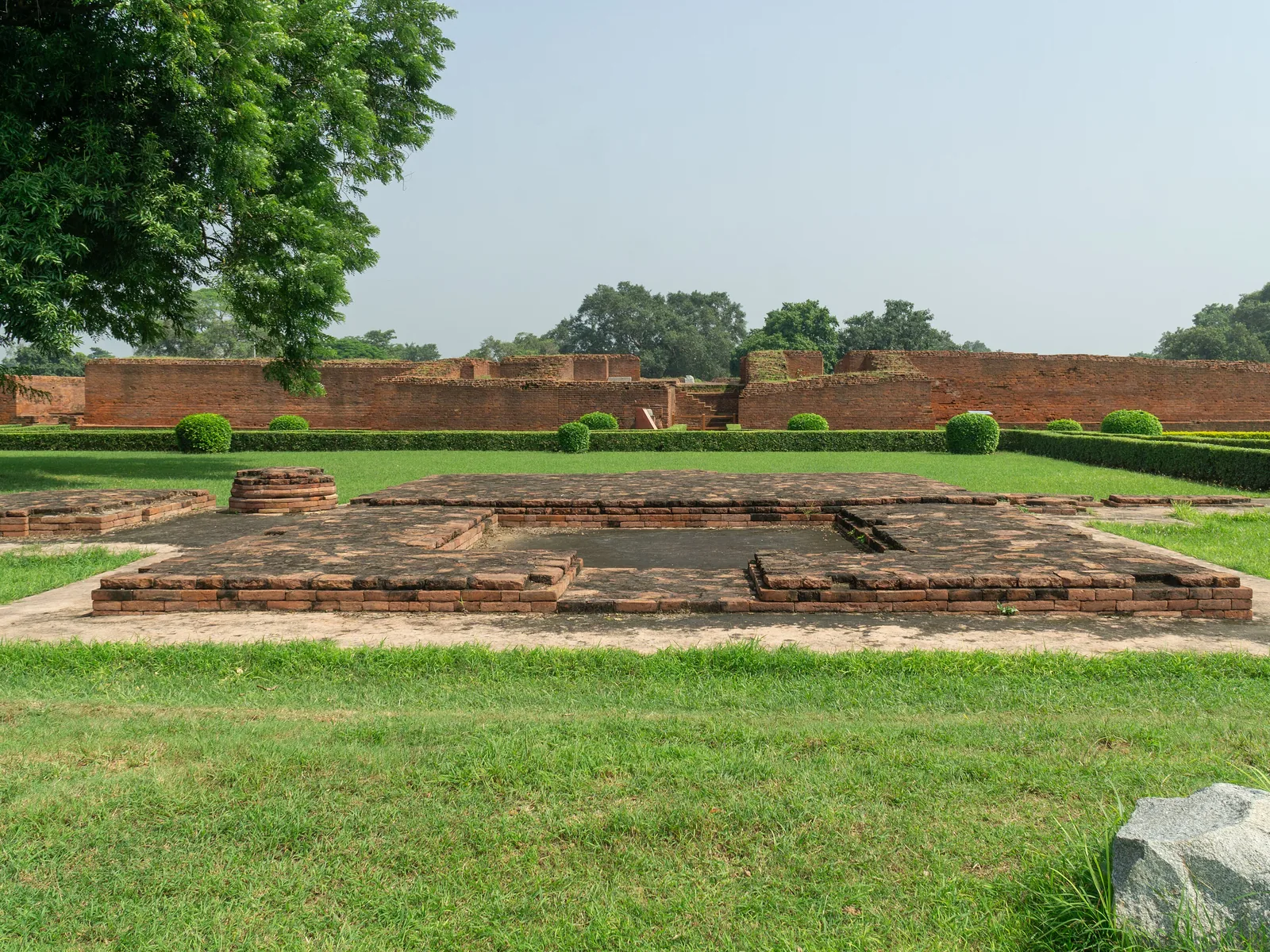
The story
Nalanda was founded around 427 CE, under the Gupta emperor Kumaragupta I, and grew into the most famous seat of Buddhist learning in the ancient world. At its seventh-century peak under Emperor Harsha it drew monks and scholars from Tibet, China, Korea and Central Asia to study Buddhist philosophy alongside grammar, logic, medicine and astronomy. The Chinese pilgrim Xuanzang lived and studied there for about two years (637-642 CE) under the monk Shilabhadra, and left with 657 Sanskrit texts carried home on twenty horses — the single most detailed surviving eyewitness account of the monastery.
The full story
Around 1200 CE, Nalanda was attacked by the Turkic-Afghan military leader Muhammad Bakhtiyar Khalji. The main near-contemporary source for this is the Tabaqat-i-Nasiri, a Persian chronicle written by Minhaj-i-Siraj a few decades after Khalji's death; archaeologists have also found a thick layer of ash in the uppermost excavated strata, consistent with a major fire. From this has grown a popular story — repeated in many textbooks — of a library so vast it burned for three months. That specific detail is not well attested: the Tibetan monk Dharmasvamin, visiting in 1235, found the monastery "largely damaged and deserted" but made no mention of a burning library, and historians increasingly note that some teaching continued at Nalanda in reduced form for decades, possibly longer, after the attack. The fairest account is that Nalanda was violently sacked around 1200 CE and never recovered its former scale — while the more dramatic "three months of burning manuscripts" image belongs to later retelling rather than to the primary sources.
The excavated site — a 12-hectare complex of monastery courtyards, stupas and viharas — was inscribed as a UNESCO World Heritage Site on 15 July 2016. The adjoining Nalanda Archaeological Museum holds sculptures, seals, coins and manuscripts recovered from the ruins. Nalanda sits about 90 km southeast of Patna, Bihar's capital, and about 16 km north of Rajgir, itself linked to the Buddha's life and to the nearby ruins of the rival monastic university of Vikramashila.
Written from the sources listed at the end of this page. If we have something wrong, tell us.
- Founded
- Around 427 CE, under the Gupta emperor Kumaragupta I↗
- Xuanzang's stay
- Studied at Nalanda for about two years, 637-642 CE, under Shilabhadra; returned with 657 Sanskrit texts↗
- Sack of Nalanda
- Attacked by Muhammad Bakhtiyar Khalji c. 1200 CE, per the Tabaqat-i-Nasiri (Minhaj-i-Siraj); ash layer in top excavated strata consistent with major fire↗
- "Burning for months" library legend
- Not corroborated by the 1235 CE eyewitness account of the Tibetan monk Dharmasvamin, who describes the site as damaged and deserted but does not mention a burning library; some monastic activity is believed to have continued for decades after the attack↗
What you will see
Stops on the trail.
- 01Excavated monastery ruins
- 02Nalanda Archaeological Museum
- 03Great Stupa (Stupa No. 3)
- 04Rajgir
When to go
October to March; Bihar's summer heat and monsoon make the exposed ruins uncomfortable to walk between April and September.
Getting there
Nearest airport is Jay Prakash Narayan International Airport, Patna, about 90 km away; Nalanda also has its own railway station, about 3 km from the museum, with Rajgir 14-16 km away as an onward base.
How to visit
- Present the c. 1200 CE attack on Nalanda as historically attested (Tabaqat-i-Nasiri, ash-layer archaeology), and the specific "library burned for three months" detail as a popular embellishment, not a primary-source fact.
- This is a UNESCO World Heritage archaeological site and an active place of Buddhist pilgrimage — keep noise low and follow ASI site rules.
Before you plan
- Do not present the destruction of Nalanda as settled in every detail — historians still debate how complete and how sudden it was, and whether teaching continued afterward.
- Let time pass
- Behave as a guest
- No smiling selfies
- Tread lightly
- Leave something behind
More Experiences
Where else we could take you.
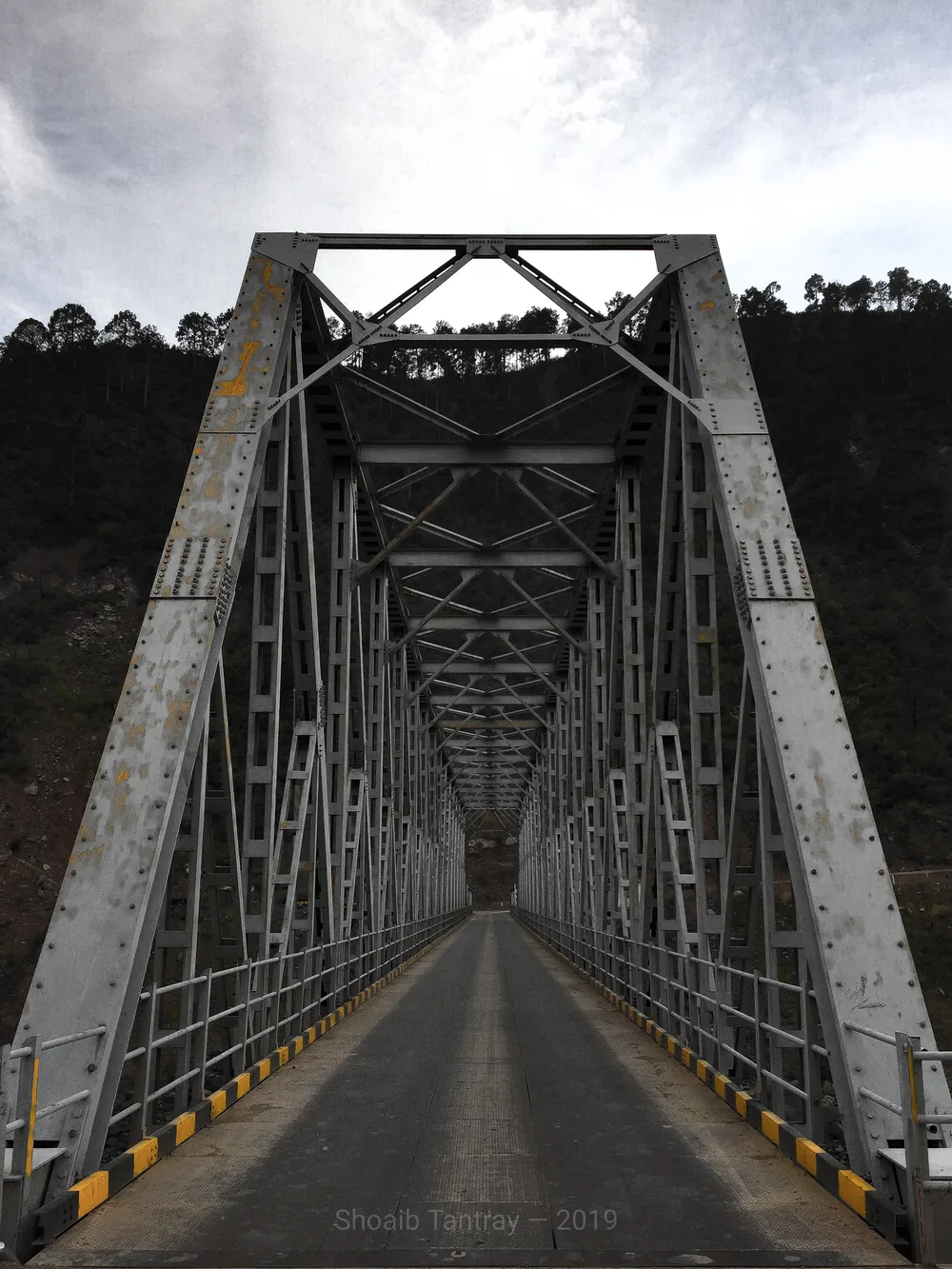 ResearchingKhooni NalaIndia (research only — not an active itinerary stop)A landslide-prone stretch of the Jammu-Srinagar highway known locally as the "Bloody Stream" — real, documented geological danger, plus unverified ghost stories.
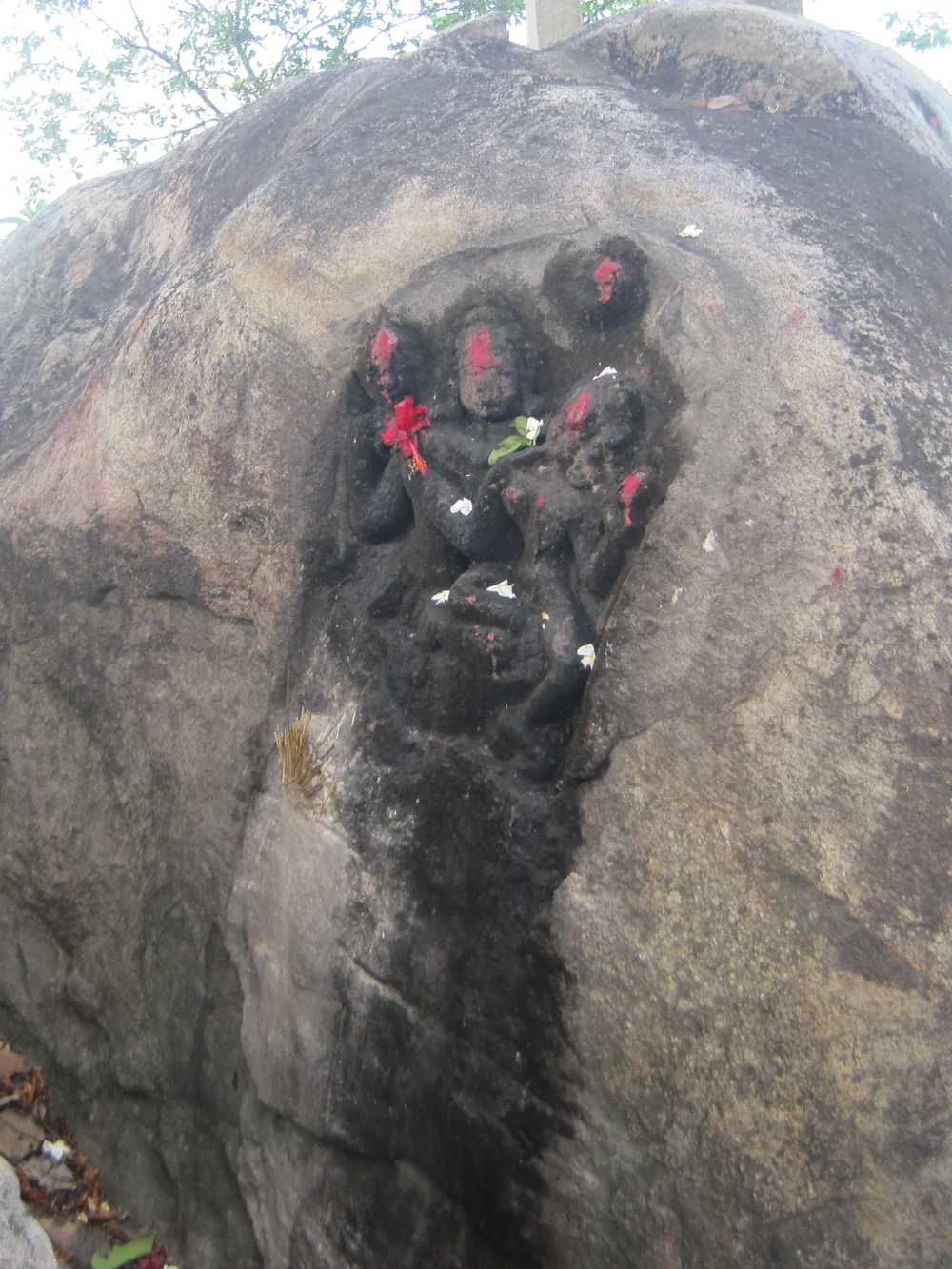 AvailableMayongIndiaA Brahmaputra-side village long feared as India's centre of tantra and black magic.
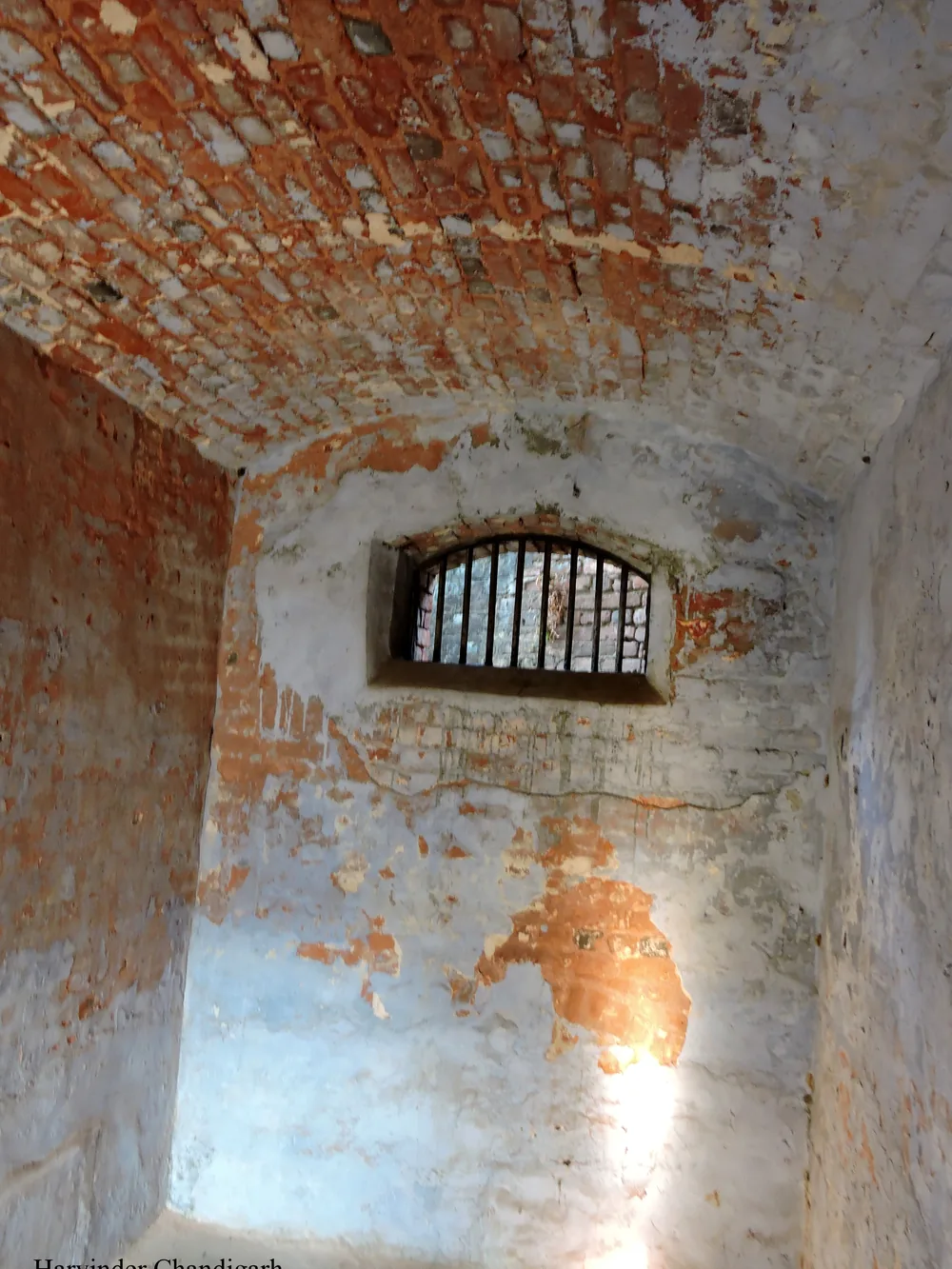 AvailableThe Cellular JailIndiaThe British colonial prison in Port Blair where Indian freedom fighters were exiled across the 'black water'.
Today’s price, after the calls
Tell us about the Nalanda Mahavihara Experience.
Message us with the place, the dates and how many are travelling. We reply with a plan and today’s price, usually within the hour in India hours.