
Experience · Jaipur, Rajasthan, India
Nahargarh FortA place with a story.
A hilltop Jaipur fort said to have been built only after the restless spirit of a Rathore prince, Nahar Singh Bhomia, was appeased with a temple in his name.
A closer look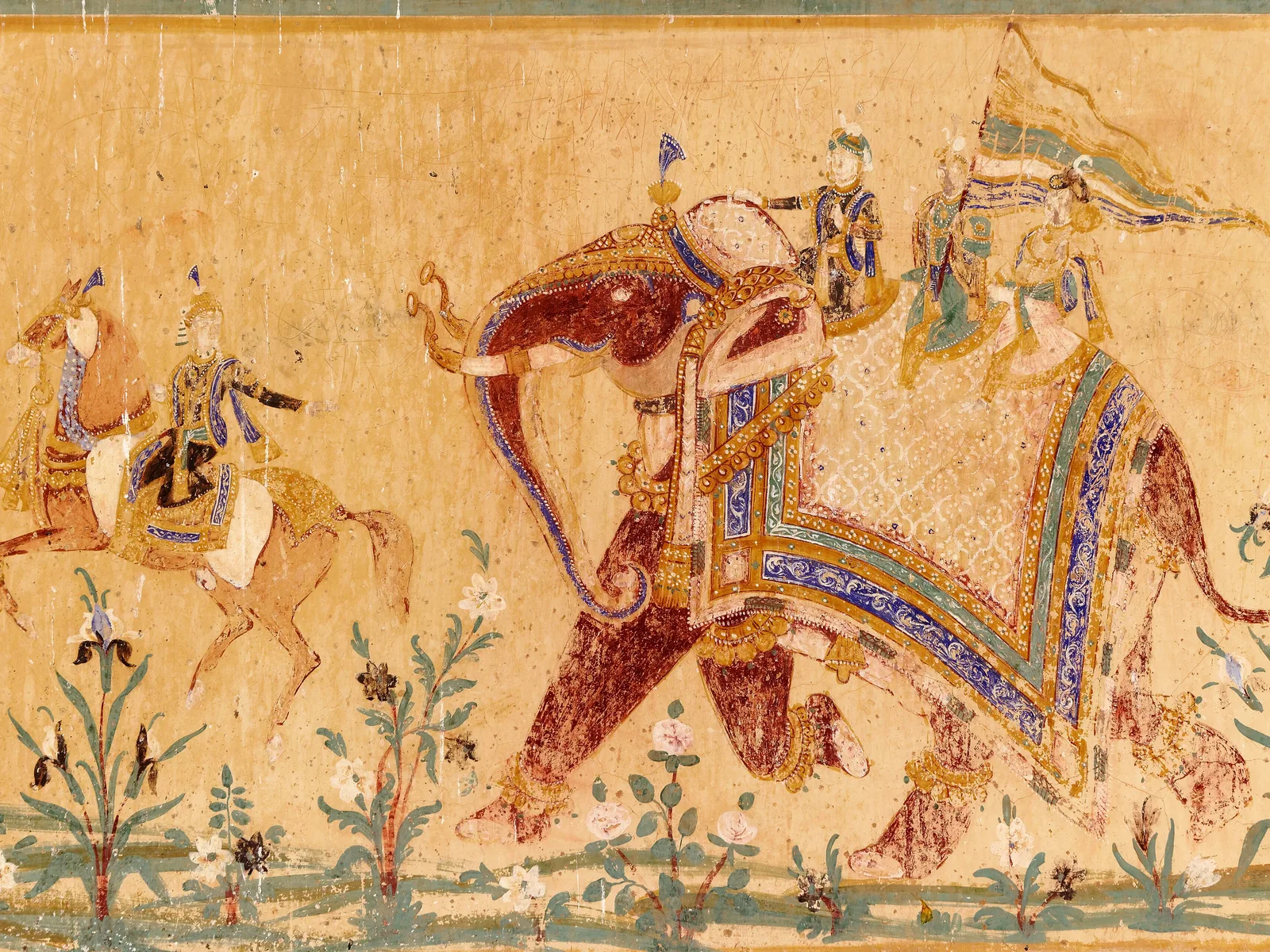
The story
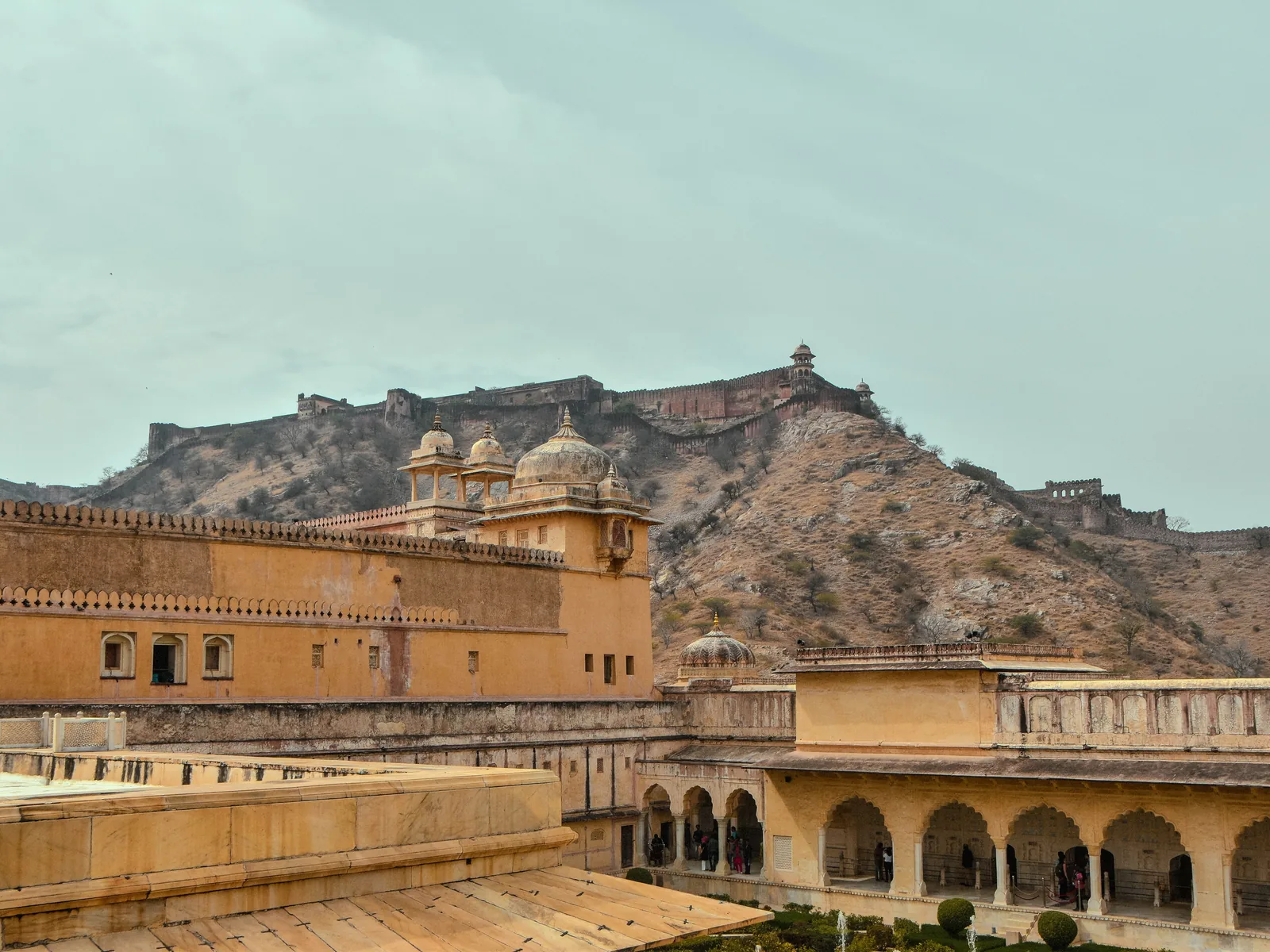
Nahargarh Fort was built in 1734 by Maharaja Sawai Jai Singh II as a retreat on the ridge above Jaipur, and was originally named Sudarshangarh. Along with Jaigarh and Amber Fort it formed a defensive ring around the capital; unlike many Rajasthan forts, it was never taken in battle.
The full story
The name it carries today comes from a legend, not from a siege. Construction work is said to have been repeatedly destroyed overnight, which locals attributed to the restless spirit of a Rathore prince, Nahar Singh Bhomia, who had died on the site. Priests performed rituals to pacify the spirit, and the builders promised to raise a temple and name the fort after him — hence Nahargarh, though the name is also read more plainly as "abode of tigers." This is popular tradition recorded by tourism and heritage sources, not an event confirmed by contemporary court records, and it should be told as legend rather than settled history.
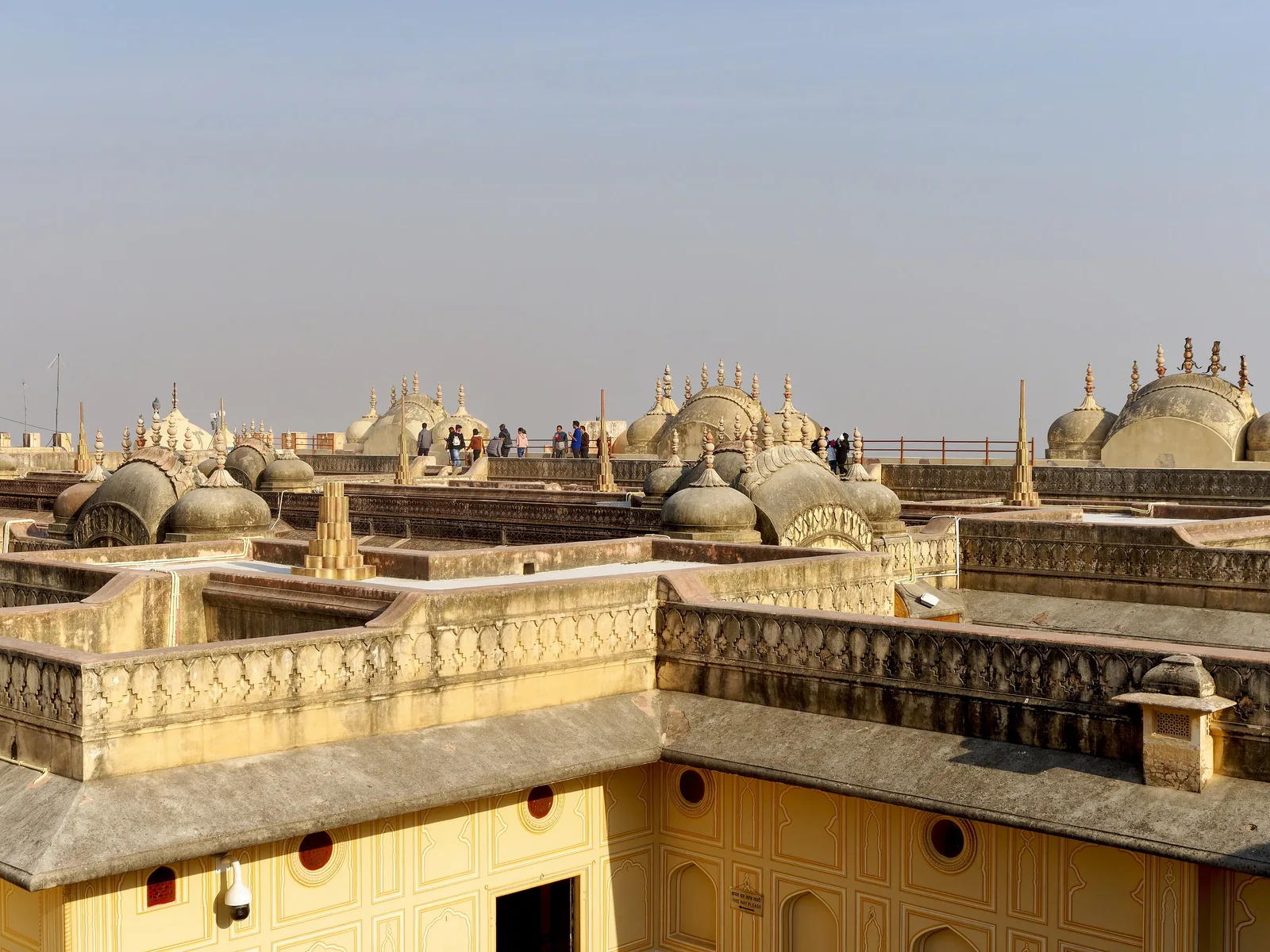
Inside the fort, the double-storeyed Madhavendra Bhawan was added later, between 1883 and 1892, by Sawai Madho Singh — a palace of nine near-identical queens' suites arranged around a king's suite at the head, joined by corridors carrying faded murals. The ramparts are Jaipur's best-known sunset point, looking straight down over the Pink City and, on clear evenings, as far as Jaigarh and Amber. The fort is now encircled by the Nahargarh Biological Park, a forested wildlife park established in 2016. Recent, unrelated incidents at the fort have drawn media attention; this page deliberately does not dwell on them — the site's own approach is to let time pass and let the fort be presented for its architecture, view and eighteenth-century legend, not for a recent tragedy.
Written from the sources listed at the end of this page. If we have something wrong, tell us.
- Built
- 1734, by Maharaja Sawai Jai Singh II; originally named Sudarshangarh↗
- Madhavendra Bhawan
- Added 1883-92 by Sawai Madho Singh; a king's suite plus nine near-identical queens' apartments joined by frescoed corridors↗
- Entry fee (Indian nationals)
- Reported as ₹52 by Wikipedia and as ₹100 (post a 1 January 2026 Rajasthan revision) by current ticketing-focused travel sites — figures disagree, confirm before quoting↗
- Timings
- Reported as 10:00 AM to 9:30 PM/10:00 PM depending on source↗
What you will see
Stops on the trail.
- 01Madhavendra Bhawan
- 02Ramparts at sunset
- 03Nahar Singh Bhomia temple
- 04Nahargarh Biological Park
When to go
October to March, for cool evenings on the ramparts and a clear sunset over Jaipur.
Getting there
Jaipur International Airport is about 15 km away; the fort sits on the Aravalli ridge above the city, reachable by road in 20-30 minutes from most Jaipur hotels.
How to visit
- Present the Nahar Singh Bhomia haunting as local legend passed down over centuries, not as documented history.
- Do not linger inside the fort after closing time — the surrounding biological park has resident wildlife.
Before you plan
- Entry fee and timing figures vary between sources (₹52 vs ₹100; 6 PM vs 9:30/10 PM close) — reconfirm current numbers directly before publishing.
- Let time pass
- Behave as a guest
- No smiling selfies
- Tread lightly
- Leave something behind
More Experiences
Where else we could take you.
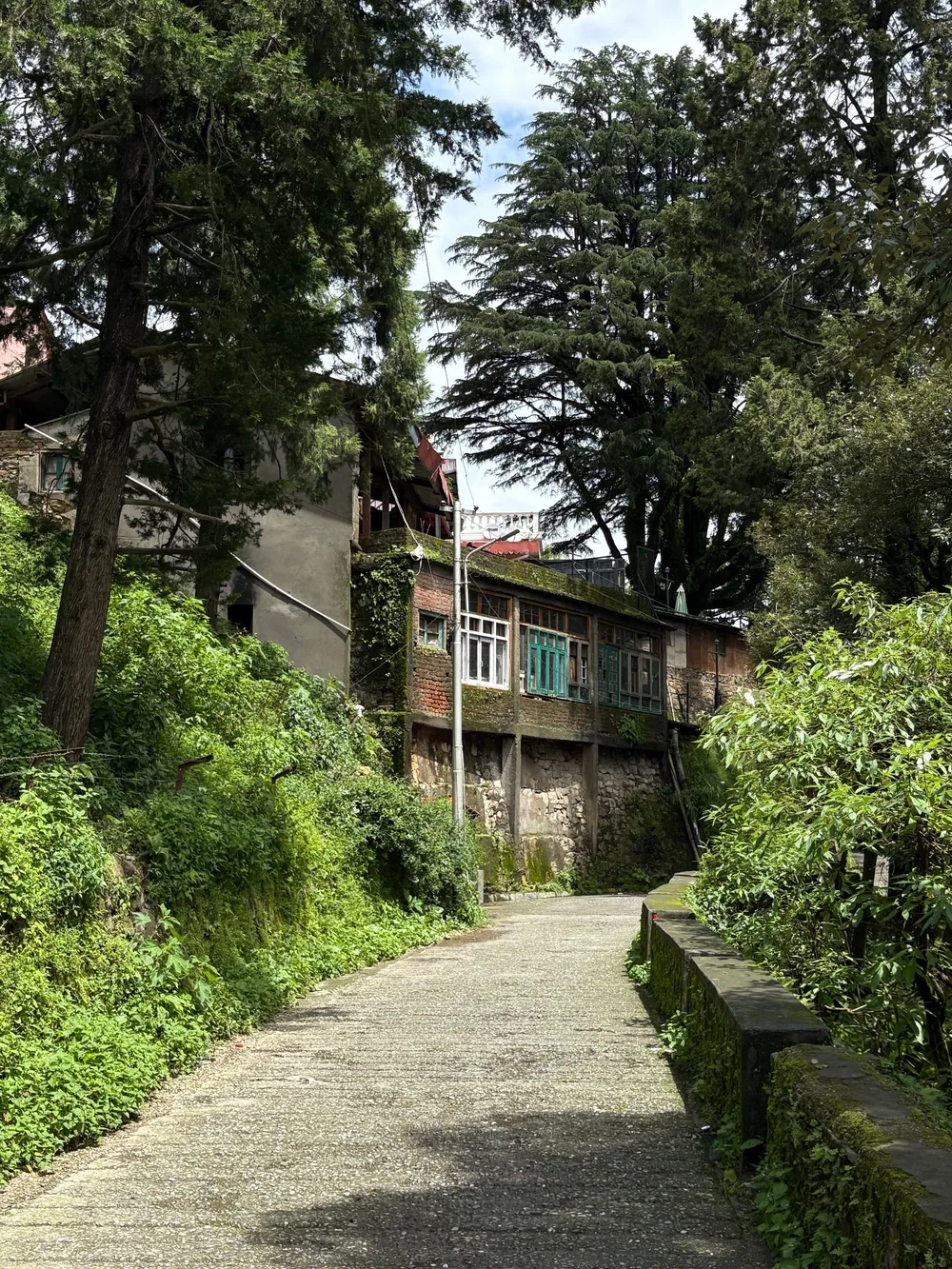 AvailableLambi DeharIndiaAbandoned limestone quarry ruins above the Doon Valley, left behind after India's first major environmental court order shut the mines down.
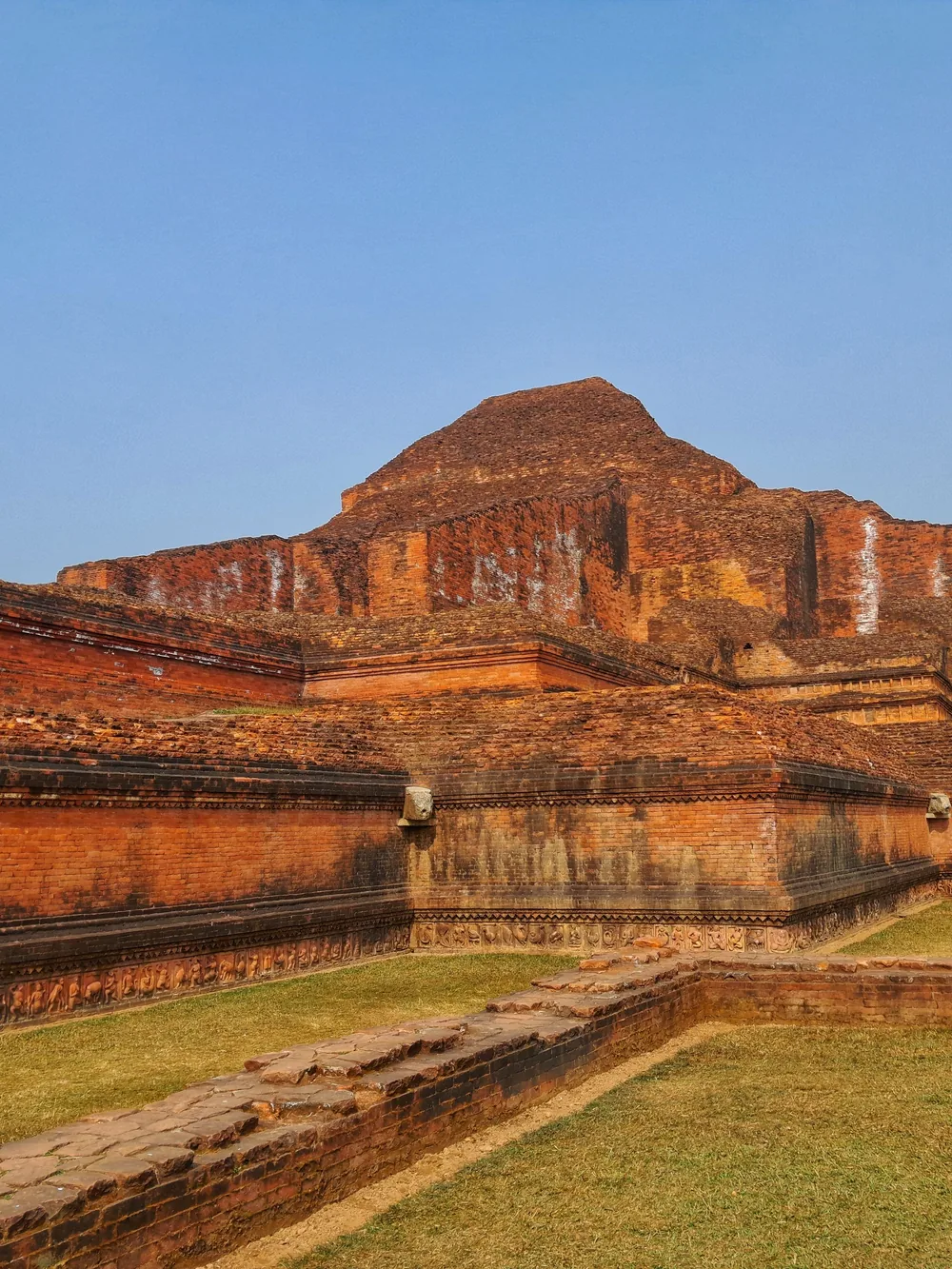 AvailableNalandaIndia (about 90 km from Patna)The ruined Gupta-era university where Xuanzang studied for two years, sacked around 1200 CE — and still debated by historians as to how, and how completely.
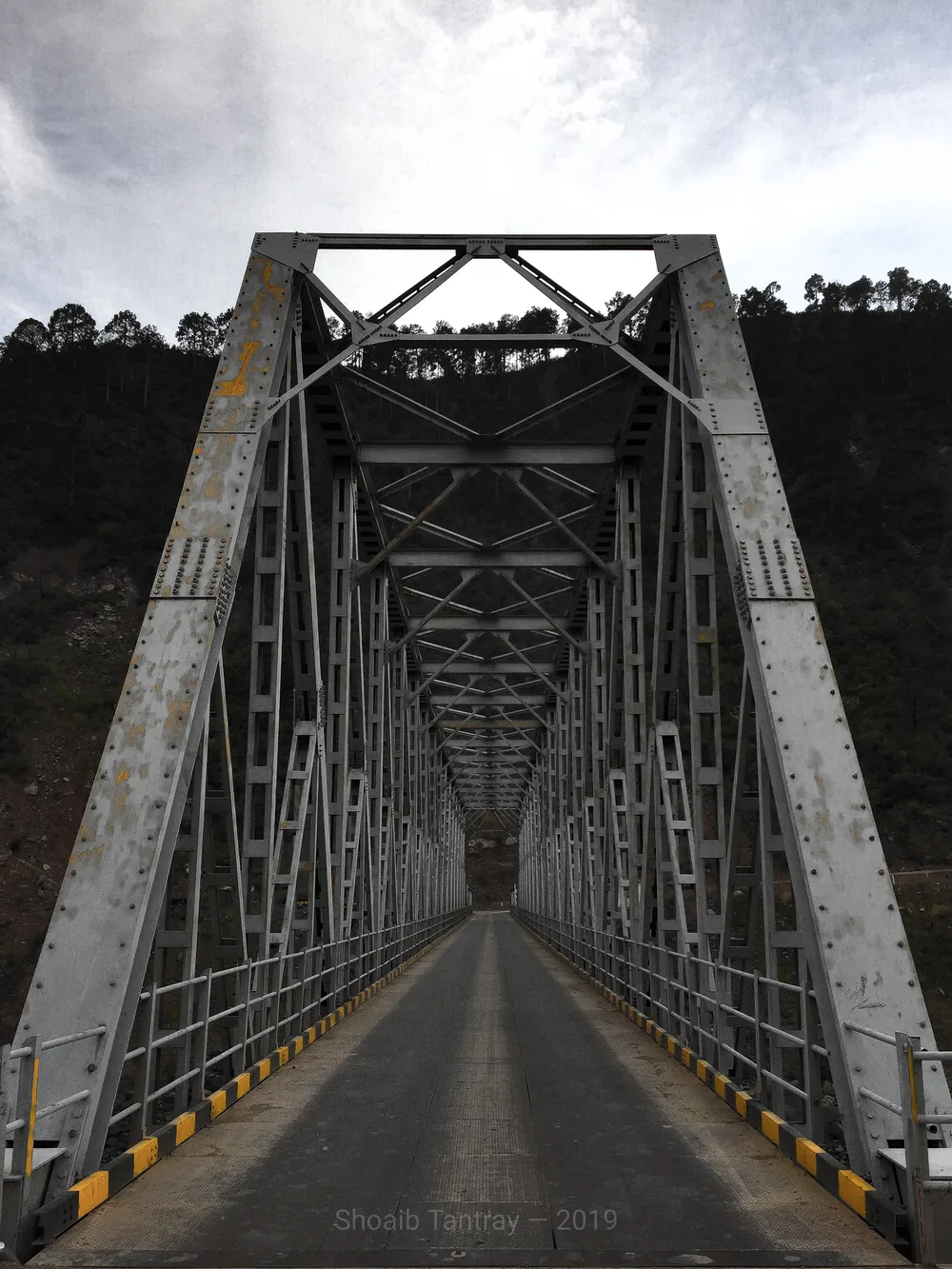 ResearchingKhooni NalaIndia (research only — not an active itinerary stop)A landslide-prone stretch of the Jammu-Srinagar highway known locally as the "Bloody Stream" — real, documented geological danger, plus unverified ghost stories.
Today’s price, after the calls
Tell us about the Nahargarh Fort Experience.
Message us with the place, the dates and how many are travelling. We reply with a plan and today’s price, usually within the hour in India hours.